

Snoring
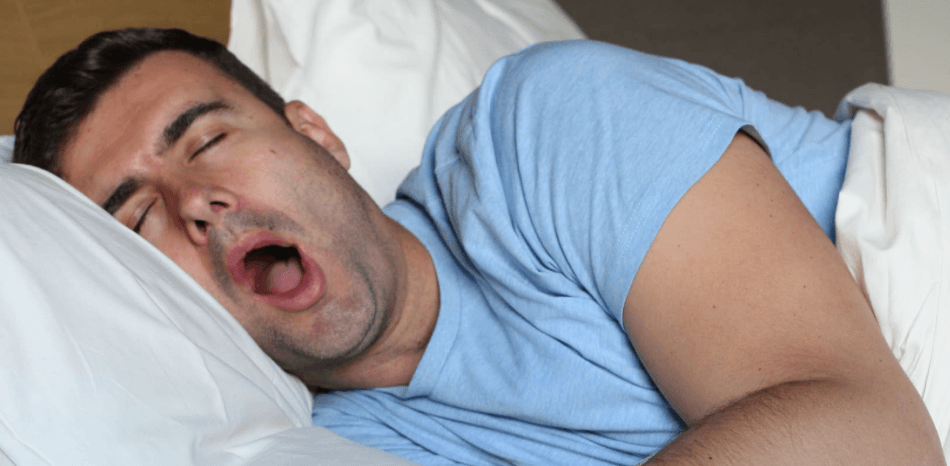
Snoring is common and can be annoying. It can also affect your mouth and overall wellbeing.
Sometimes snoring is harmless. In other cases, it can be a sign of a more serious problem with breathing during sleep.
Why do people snore?
When you sleep, the muscles in your mouth and throat relax.
In some people, these soft tissues relax so much that they partly block the airway. As air squeezes through the narrow space, the tissues vibrate. This makes the snoring sound.
Snoring is more likely if you:
- Sleep on your back.
- Are overweight.
- Have a blocked or stuffy nose.
- Drink alcohol before bed.
- Smoke.
- Have large tonsils or a naturally narrow airway.
- Are older.
- Have a family history of snoring.
When snoring may be a health concern
Loud, regular snoring can sometimes be a sign of obstructive sleep apnoea (OSA).
With OSA, breathing stops and starts during sleep. This can reduce oxygen levels and disturb your sleep.
See your doctor if you:
- Feel very tired during the day.
- Wake up choking or gasping.
- Have morning headaches.
- Have been told you stop breathing in your sleep.
You may need tests, such as a sleep study.
How snoring affects your mouth
Snoring often means you breathe through your mouth at night. This can cause dry mouth.
Saliva is important because it helps to:
- Wash away food and bacteria.
- Protect teeth from decay.
- Keep gums healthy.
A dry mouth increases the risk of:
- Bad breath.
- Tooth decay.
- Gum disease.
- Mouth discomfort or soreness.
Can snoring cause bad breath?
Yes.
A dry mouth allows bacteria to build up more easily. These bacteria can produce unpleasant smells, leading to bad breath.
How your dentist can help
Tell your dentist if you snore.
They can:
- Check your mouth for signs of dry mouth, gum disease or tooth wear.
- Give advice on keeping your mouth moist and healthy.
- Discuss whether a dental appliance might help in some cases (if advised by your doctor).
Tips that may help reduce snoring
- Avoid alcohol before bed.
- Try not to sleep on your back.
- Keep your nose clear if you have congestion.
- Aim for a healthy weight.
- Stop smoking.
If snoring is loud, regular or linked to daytime tiredness, speak to your doctor as well as your dentist. Treating the cause can improve both your sleep and your oral health.





Which industry are you looking for?
Find your dream job and propel your future career, live your best life! Explore exciting job opportunities - Search here